Professional Development (Flipped Learning 3.0 Framework)
Join a global movement: grow, connect, and innovate with Flipped Learning professional development. Read More …
an Erasmus+ Project
Join a global movement: grow, connect, and innovate with Flipped Learning professional development. Read More …
Intentional Content is one of the core pillars of Flipped Learning 3.0, but it is often misunderstood. This article explores how educators can deliberately design content, activities, and media based on competencies, Backward Design, and Bloom’s Taxonomy, while highlighting common misconceptions and practical recommendations for creating meaningful, learner-centred learning experiences. Intentional Content in Flipped Learning Read More …
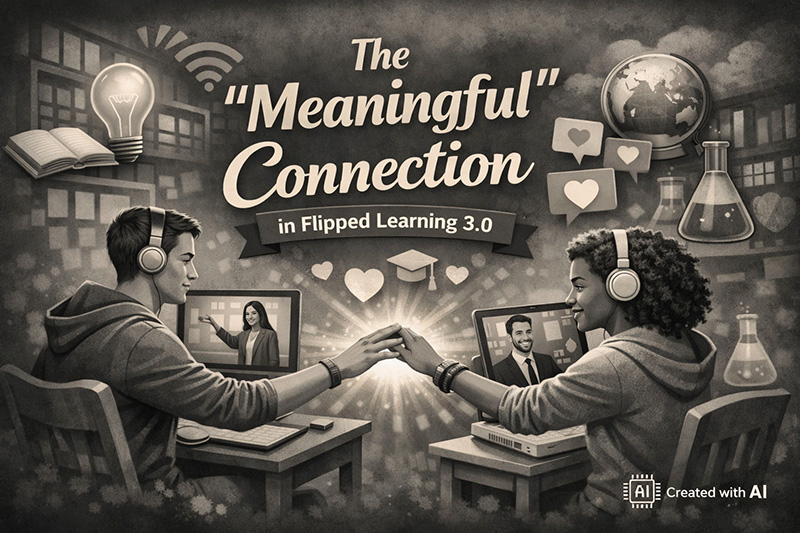
A critical reflection on meaningful activities between ILS and GLS A meaningful connection between the Individual Learning Space (ILS) and the Group Learning Space (GLS) is often assumed but rarely examined with sufficient clarity. This reflection highlights why “meaningful activities” are frequently misunderstood and how this weakens the intended learning progression in Flipped Learning 3.0. 1 Read More …
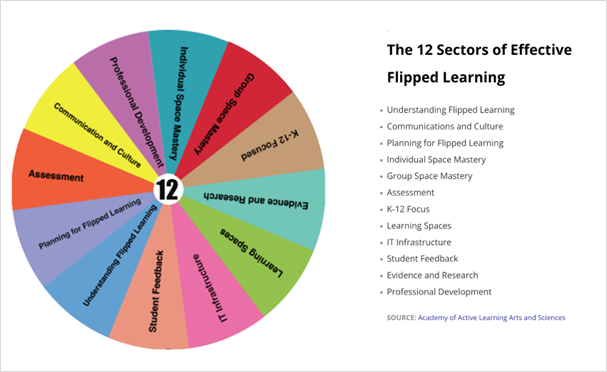
The Twelve Sectors of Flipped Learning 3.0 are a comprehensive framework that can help educators implement flipped learning in their classrooms. By understanding and applying the principles of these twelve sectors, educators can create a successful flipped learning environment that benefits all learners. The Flipped Learning 3.0 framework model encompasses these twelve essential sectors to Read More …
Jon Bergmann is a pioneer in Flipped Learning and cooperated with us in the frame of this project. His new book cares about “Mastery Learning” and focuses on flipped learning and the Flipped Learning 3.0 Framework. He summarizes some facts in an article, published on the ascd webpage. The article shows the changes in the teaching Read More …
We have created an infographic that explains Flipped Learning 3.0 in a glimpse. Flipped-Learning_3.0-Infographics by Peter Mazohl This graphic has been developed in the frame of the InterMedia Project. This ERASMUS+ project cares for the development of multimedia-based content for learning and training. CANVA was one of the analyzed tools that have been selected by Read More …
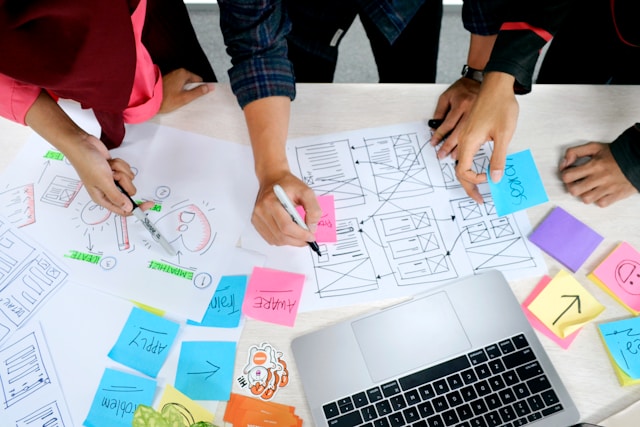
Flipped Learning 3.0 uses a technical approach – undoubtedly! Nevertheless, it makes sense not to focus on technology only. Technology-enhanced learning or training is a modern way of teaching, much appreciated by the learners nowadays. Nevertheless, technology is not the last word of wisdom. Analogue methods, like handwriting or creating some scribbles with paper and Read More …
IT plays an extremely important role in Flipped Learning 3.0: Content and activities are using Multimedia; active learning is also deeply connected with the use of technology, and especially the individual space makes intensive use of ICT. Consequently, it can be deduced that digitization occupies an important place in Flipped Learning and therefore different areas, Read More …
The final meeting of the project (project closing meeting) took place in Athens (Greece) End of August. Due to the COVID-19 restrictions, it was not possible to hold the meeting in a closed room. Therefore, the project group decided on an “open place” – an option that could be found in Athens easily. The temperature Read More …
When Jon Bergman first started developing the Flipped Learning framework back in 2010, one of the first things he did was to create video podcasts that teach specific objectives. Students watch them (at home) and get assignments, conduct experiments, and interact with the class learning platform. Videos are a cornerstone in the Flipped Learning approach Read More …