
Professional Development (Flipped Learning 3.0 Framework)
Join a global movement: grow, connect, and innovate with Flipped Learning professional development. Read More …

an Erasmus+ Project
Join a global movement: grow, connect, and innovate with Flipped Learning professional development. Read More …

Intentional Content is one of the core pillars of Flipped Learning 3.0, but it is often misunderstood. This article explores how educators can deliberately design content, activities, and media based on competencies, Backward Design, and Bloom’s Taxonomy, while highlighting common misconceptions and practical recommendations for creating meaningful, learner-centred learning experiences. Intentional Content in Flipped Learning Read More …
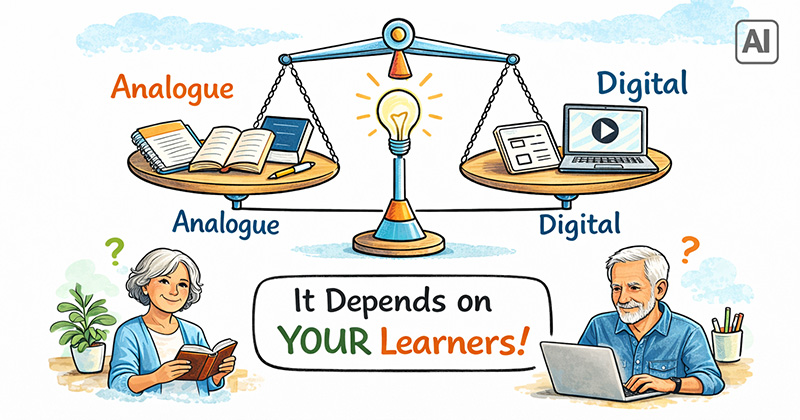
The short answer is no. A digital platform can be very helpful in Flipped Learning 3.0 (FL3), but it is not essential. What matters most is the pedagogical design of the Individual Learning Space, not the technology itself. The core idea in FL3 In Flipped Learning 3.0, adult learners and seniors engage with learning content Read More …
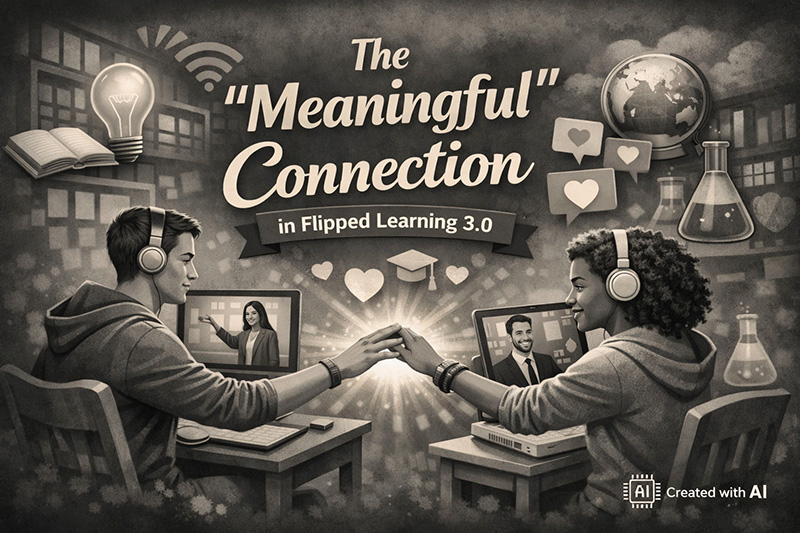
A critical reflection on meaningful activities between ILS and GLS A meaningful connection between the Individual Learning Space (ILS) and the Group Learning Space (GLS) is often assumed but rarely examined with sufficient clarity. This reflection highlights why “meaningful activities” are frequently misunderstood and how this weakens the intended learning progression in Flipped Learning 3.0. 1 Read More …
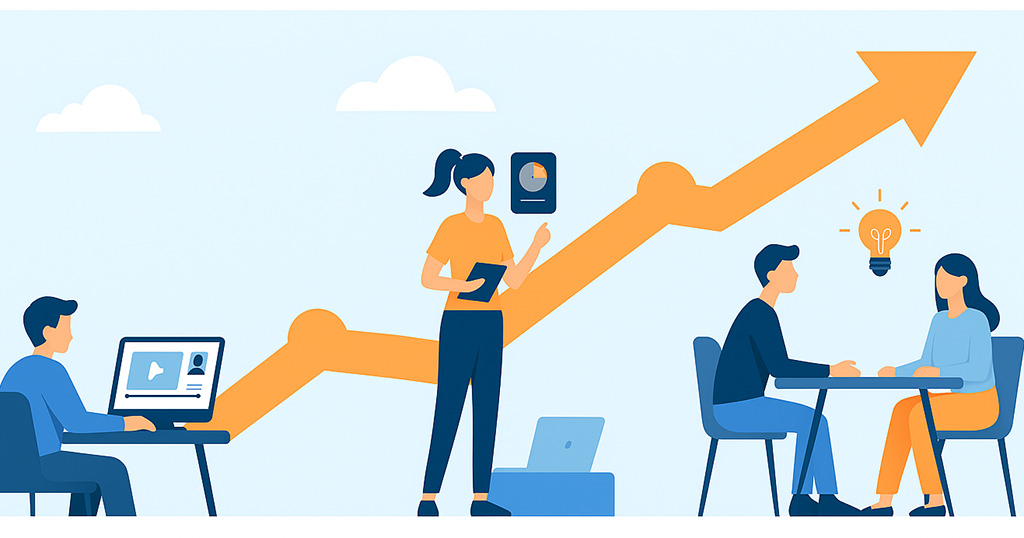
Flipped Learning has become increasingly popular in the educational landscape, offering an innovative approach that transforms learners into self-directed, responsible individuals. It provides a promising alternative to traditional teaching models, enhancing engagement and learning success. This article offers an overview of the development of Flipped Learning, clarifies the distinctions between the Flipped Classroom, Flipped Learning, Read More …

The Group (Learning) Space in Flipped Learning 3.0 is an essential component where trainees engage in activities that encourage higher-order thinking skills. Trainers need to prepare for the varied levels of understanding trainees bring to the Group Space, ensuring that there is room for questions, clarification, and addressing misconceptions. Key activities such as practice sessions, Read More …
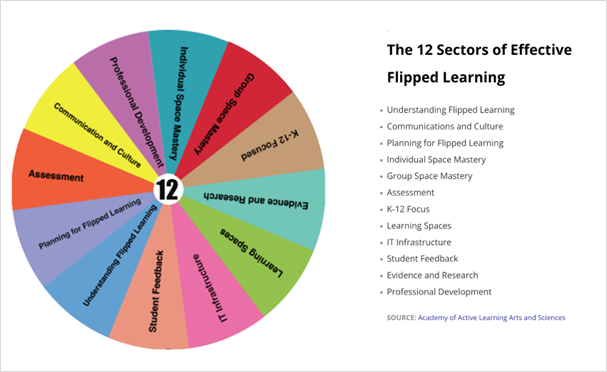
The Twelve Sectors of Flipped Learning 3.0 are a comprehensive framework that can help educators implement flipped learning in their classrooms. By understanding and applying the principles of these twelve sectors, educators can create a successful flipped learning environment that benefits all learners. The Flipped Learning 3.0 framework model encompasses these twelve essential sectors to Read More …

Micro conversations are short, informal interactions between learners and instructors in a flipped classroom setting (or in the frame of Flipped Learning). They can take place in person, online, or through a variety of other channels. The goal of micro conversations is to provide learners with opportunities to ask questions, clarify concepts, and get feedback Read More …

This article explores the growing significance of Flipped Learning 3.0 in Adult Education, highlighting its numerous benefits for adult learners. Flipped Learning revolutionizes conventional classroom structures by prioritizing self-directed learning and active participation. By employing Bloom’s Taxonomy, it strategically divides learning materials into individual study sessions for foundational knowledge and collaborative group learning for more Read More …

The Global Elements of Effective Flipped Learning (GEEFL) framework outlines the essential components for successful flipped learning implementation. These elements highlight the importance of a flexible and inclusive learning environment, where learners have access to various content formats and opportunities for interaction. In a flipped learning setting, educators shift from being content deliverers to learning Read More …